


What Is Project Management Consultancy and How It Benefits Businesses in Singapore?
In Singapore’s fast-moving business environment, organisations are under constant pressure to deliver projects efficiently while navigating tight regulations, limited manpower, and rising operational complexity. This is where engaging a professional project management company or understanding what project management consultancy is becomes increasingly important.
Project management consultancy provides structured guidance, governance, and specialist expertise to help businesses plan, execute, and control projects more effectively.
This article explores what project management consultancy involves, how it differs from in-house project management, and the tangible benefits it offers to businesses operating in Singapore’s highly regulated and resource-constrained market.
Key Takeaways
- Project management consultancy provides independent expertise to structure, govern, and optimise projects without replacing internal teams.
- Businesses in Singapore use project management and consultancy services to reduce delivery risk and improve cross-functional coordination.
- Effective consultancy focuses on cost avoidance by improving processes and resource utilisation rather than removing jobs or teams.
- Consultants help organisations navigate regulatory, compliance, and stakeholder complexities common in Singapore projects.
- The true value of project management consultancy lies in long-term capability building, not just short-term project delivery.
Understanding What Project Management Consultancy Is
To clearly define what project management consultancy is, it helps to distinguish it from traditional project execution roles. Project management consultancy involves providing expert advisory services, governance frameworks, tools, and oversight to help organisations manage projects more effectively.
Rather than taking ownership of day-to-day operational tasks, consultants focus on improving how projects are planned, monitored, and controlled. This includes aligning project objectives with business goals, establishing realistic timelines, and ensuring risks are identified early and managed proactively.
The Key Role of a Project Management Consultant

A project management consultant plays a critical role in helping organisations plan, execute, and deliver projects effectively, particularly when internal teams are managing competing priorities or navigating complex change. Rather than replacing internal teams, consultants provide structured guidance and objective oversight to strengthen how projects are managed.
Key responsibilities typically include:
- Defining project scope, objectives, and success criteria
- Developing realistic timelines and resource plans
- Establishing governance, reporting, and communication workflows
- Identifying risks early and defining clear mitigation actions
- Improving project controls, documentation, and accountability
In Singapore, where projects often involve multiple stakeholders, regulatory requirements, and external vendors, this independent perspective helps maintain clarity, consistency, and alignment throughout the project lifecycle. By applying proven project management methodologies and practical tools, consultants support better coordination, reduce delays, and increase the likelihood of successful project delivery.
Project Management Consultancy vs In-House Project Management
Many organisations already employ project managers, so why engage consultants? The difference lies in perspective and depth of capability.
In-house project managers are embedded within daily operations. Project management consultancy, on the other hand, provides:
- An external viewpoint free from internal bias
- Exposure to cross-industry best practices
- Temporary expertise without long-term headcount expansion
- Structured frameworks that can be reused across future projects
This combination is particularly valuable for organisations managing transformation initiatives, large-scale infrastructure projects, or multi-department programmes.
Why Project Management Consultancy Matter in Singapore
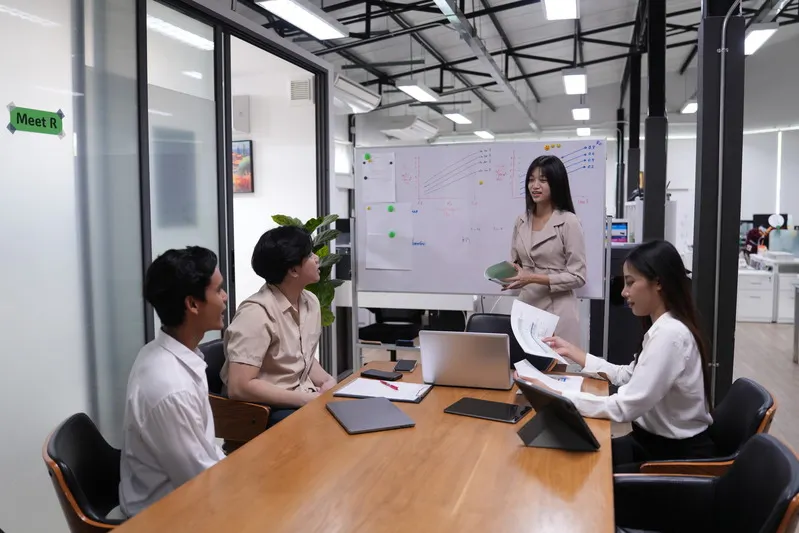
Singapore presents a unique operating environment. Businesses face strict compliance requirements, limited manpower, and high expectations for efficiency and accountability. Project management and consultancy services help organisations respond to these pressures without disrupting existing teams.
Navigating Regulatory and Compliance Requirements
Many projects in Singapore must comply with industry-specific regulations, government guidelines, and internal governance standards. Poor planning or inadequate documentation can lead to costly delays or non-compliance.
Project management consultancy supports businesses by:
- Embedding compliance checks into project workflows
- Ensuring documentation meets audit and reporting standards
- Aligning project governance with regulatory expectations
This structured approach reduces uncertainty and helps projects progress smoothly through approval and review stages.
Supporting Lean Teams and Manpower Constraints
Manpower constraints are a reality for many Singapore businesses. Instead of expanding teams, organisations increasingly turn to consultants to achieve cost avoidance.
Cost avoidance focuses on doing more with existing resources through:
- Clear role definition and accountability
- Improved scheduling and workload balancing
- Eliminating rework caused by unclear requirements
By improving how work is organised, project management consultancy helps teams deliver more without increasing headcount — or resorting to layoffs.
How Project Management Consultancy Improves Project Outcomes

Understanding what project management consultancy is also involves recognising how it directly improves outcomes across different stages of a project.
Better Project Planning and Scope Control
One of the most common causes of project failure is poor upfront planning. Consultants bring structured planning methodologies that help organisations:
- Define realistic timelines and budgets
- Clarify deliverables and success metrics
- Prevent scope creep through formal change control processes
In Singapore, where delays can have significant financial and reputational consequences, strong planning is essential.
Risk Identification and Mitigation
Every project carries risk, but unmanaged risk leads to disruption. Project management consultancy introduces systematic risk assessment early in the project lifecycle.
This includes:
- Identifying operational, financial, and regulatory risks
- Assigning ownership for risk mitigation actions
- Monitoring risks throughout project execution
Early visibility allows leadership teams to make informed decisions rather than reacting to issues after they escalate.
The Role of Governance in Project Management Consultancy
Governance is a key pillar of project management and consultancy. Without clear governance, even well-planned projects can drift off course.
Establishing Clear Decision-Making Structures
Consultants help define who is responsible for decisions, approvals, and escalations. This reduces confusion and prevents bottlenecks caused by unclear authority.
Effective governance frameworks typically include:
- Defined roles for sponsors, steering committees, and project teams
- Clear approval thresholds and escalation paths
- Regular performance and progress reviews
Improving Transparency and Accountability
Transparent reporting allows stakeholders to understand project health at any point. Project management consultancy introduces reporting structures that focus on actionable insights rather than excessive documentation.
This improves accountability and enables faster intervention when issues arise.
Long-Term Business Benefits of Project Management Consultancy
Beyond individual projects, project management consultancy delivers long-term value by improving organisational capability.
Knowledge Transfer and Capability Building
A key benefit of project management and consultancy is knowledge transfer. Consultants often train internal teams on tools, templates, and methodologies that remain in place long after the engagement ends.
This builds internal maturity and reduces dependency over time.
Supporting Business Transformation and Growth
As organisations scale or transform, project complexity increases. Project management consultancy helps align projects with strategic objectives, ensuring that growth initiatives deliver measurable value.
This alignment is especially important in Singapore, where competition and operational costs demand efficient execution.
Project Management Consultancy for Sustainable Cost Avoidance
Rather than focusing on short-term cost cutting, effective consultancy promotes sustainable cost avoidance. This means avoiding unnecessary expenditure through better planning, coordination, and decision-making.
Examples include:
- Preventing rework caused by unclear requirements
- Avoiding delays through proactive risk management
- Optimising resource allocation across multiple projects
Over time, these improvements lead to better financial control without compromising team morale or service quality.
In-House Teams vs Project Management Consultancy
The table below highlights how project management consultancy complements internal teams rather than replacing them.
| Aspect | In-House Project Teams | Project Management Consultancy |
| Perspective | Internal and operational | Independent and strategic |
| Experience | Organisation specific | Cross-industry and multi-project |
| Resource Flexibility | Fixed headcount | Scalable and project-based |
| Governance | May vary by team | Standardised frameworks |
| Focus | Execution and delivery | Structure, oversight, and optimisation |
| Cost Impact | Ongoing employment costs | Cost avoidance through efficiency |
This balanced approach is why many Singapore organisations adopt a hybrid model combining internal teams with consultancy support.
Project Management Consultancy Support in Singapore
Businesses in Singapore increasingly recognise that successful projects require more than technical expertise. They require structure, governance, and alignment across stakeholders.
At HoCH Solutions, we support organisations by strengthening these foundations. By focusing on process improvement, risk management, and capability building, we help businesses deliver projects with greater confidence and consistency.
For organisations looking to improve how projects are managed rather than simply delivered, engaging a project management consultancy can be a strategic step forward.
Frequently Asked Questions
How early should a business engage a project management consultancy?
Engaging a consultancy during the planning or initiation stage delivers the greatest value. Early involvement allows consultants to influence scope definition, governance, and risk management before issues become embedded in the project.
Is project management consultancy suitable for smaller organisations in Singapore?
Yes. Smaller organisations often benefit significantly because consultancy provides access to experienced expertise without the need to hire full-time specialists. This supports cost avoidance while maintaining project quality.
Can project management consultancy work alongside existing project managers?
Absolutely. Project management consultancy is designed to complement internal project managers. Consultants provide structure, tools, and oversight while internal teams continue to manage day-to-day execution.
How does project management consultancy support digital transformation projects?
Consultants help structure digital projects by aligning technology initiatives with business objectives, managing cross-functional dependencies, and ensuring governance frameworks support rapid but controlled implementation.
What should businesses look for when choosing a project management consultancy?
Businesses should look for relevant industry experience, a strong understanding of Singapore’s regulatory environment, and a clear focus on knowledge transfer rather than dependency.
Choosing the right consultancy ultimately comes down to fit, governance approach and capability transfer. Book a discovery call with HoCH Solutions to discuss your requirements and evaluation criteria — we’ll help you to review your scope, expectations, and what ‘good’ looks like for your engagement.